Photo Caption
Gersemia rubiformis
Photo Credit
Andrew Cooper, DFO
It’s hard to deny the charisma of coral reef ecosystems; who wouldn’t be drawn to these vibrant, colourful hotspots of ocean diversity? While corals are often associated with shallow, tropical seas, their range extends far across the global oceans. In fact, the Maritimes host their own coral ecosystems, supported by enigmatic and slow-growing deep-sea corals.
While tropical corals are more well known, their cold-water cousins are equally important to ocean life. Cold-water corals can be found across the world on the deep, cold ocean bottom, withstanding the intense pressure and chilly temperatures of this environment. Many spend their entire lives in darkness – generally at ocean depths from the intertidal zone to 1000’s of meters. Despite these extreme habitat conditions, it’s estimated that at least half of all known coral species (over 3,500 species) are deep-sea corals. In just Eastern Canada, over 60 species of coral have been identified to date.
Corals are animals that fall within a taxonomic group known as Cnidaria and are related to jellyfish, anemones and hydroids. The coral family, or Anthozoans, includes both soft and hard corals; like their name implies, hard corals are rigid to the touch, while soft corals do not have the same inflexible skeleton. Instead, soft corals create small fragments of minerals precipitated from seawater (known as sclerites) that are incorporated into their body tissues. Both coral types can be found in the deep, cold waters surrounding Nova Scotia.
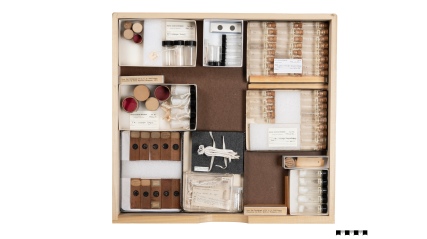
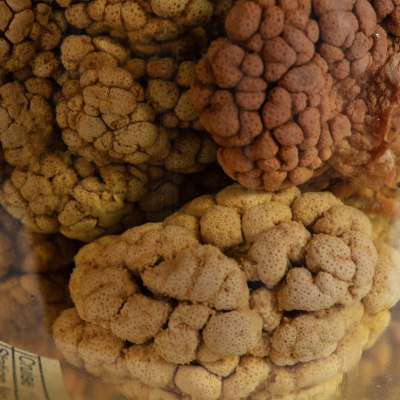
Some key species of cold-water soft corals can be found within the Nova Scotia Museum’s Zoology Collection. Most specimens are preserved in jars of ethanol, a storage method known as wet preservation. You will notice that this method does not preserve the animal's coloration, which tends to fade over time. This is the case for all organisms that are preserved as wet specimens – frogs, fish, jellyfish, etc.
Check out our online soft coral collection.
Here, we highlight a few species in the collection:
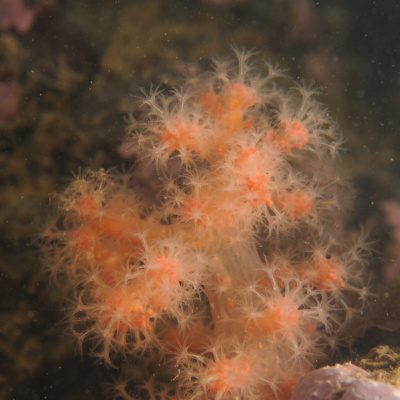
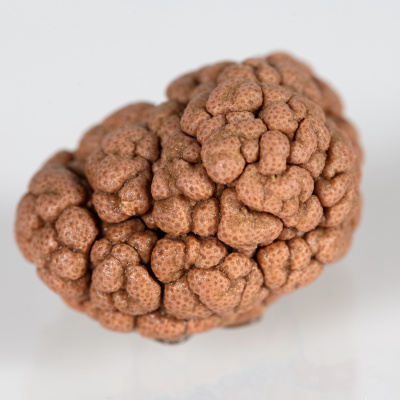
Gersemia rubiformis
Underwater, this species can be bright red and have a round appearance; because of this, the species is nicknamed ‘sea strawberry’. Large areas containing these corals are sometimes called ‘strawberry grounds’. Many of the coral specimens sampled by trawls in the Maritime region are Gersemia rubiformis, indicting that the species may be abundant here.
-
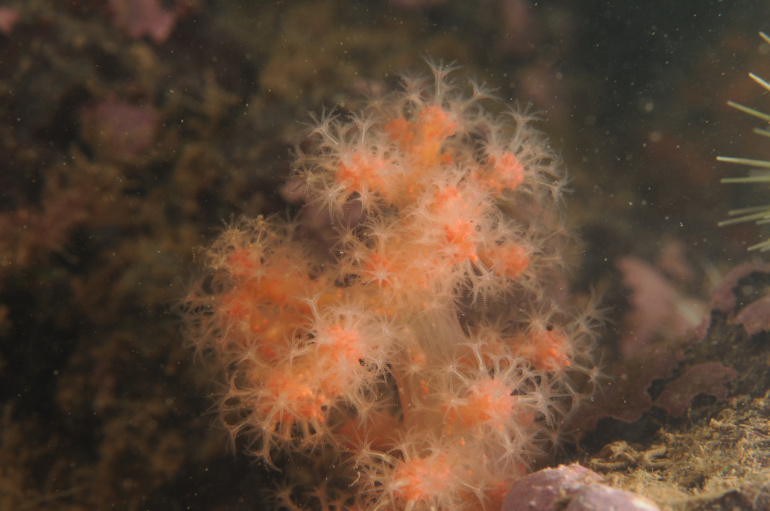
A colony of living Gersemia rubiformis. Andrew Cooper/Department of Fisheries and Ocea -
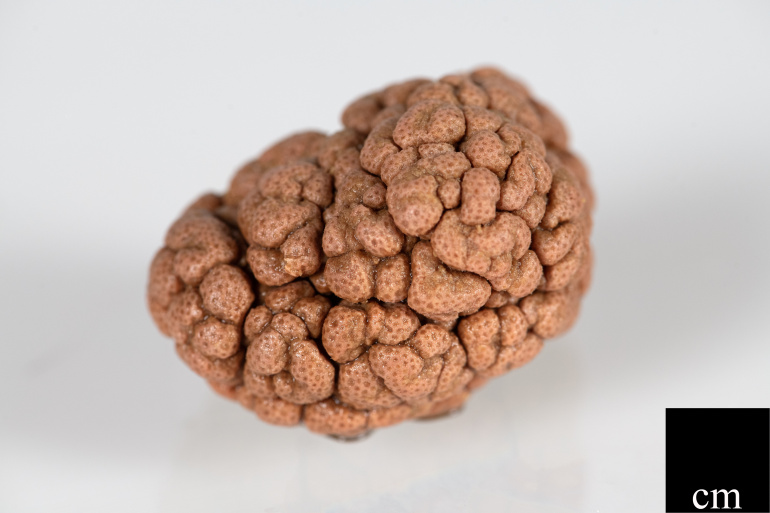
An individual colony of preserved Gersemia rubiformis from the collection of the Nova Scotia Museum. Nova Scotia Museum -
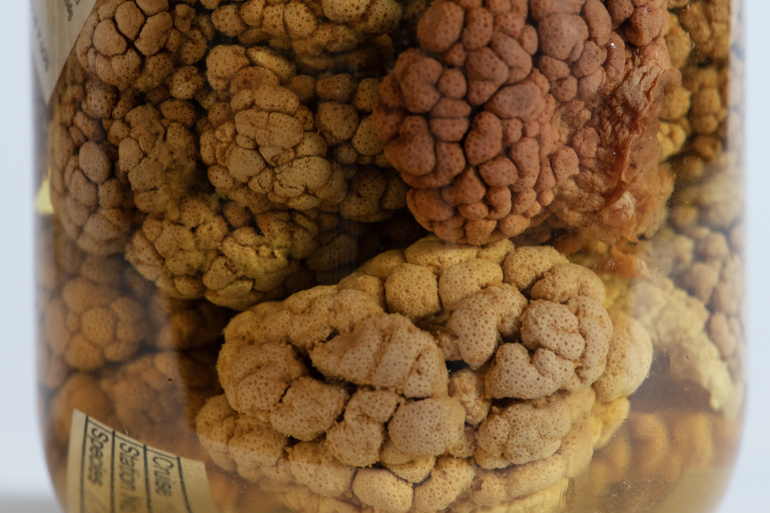
A jar of preserved Gersemia rubiformis from the collection of the Nova Scotia Museum. Nova Scotia Museum


Gersemia fruticosa
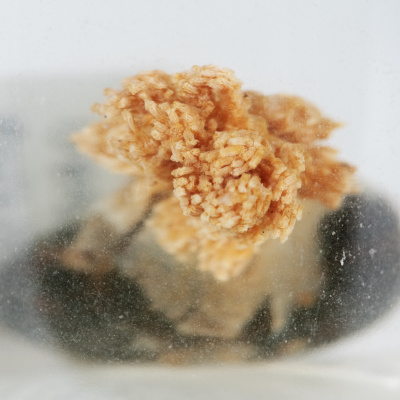
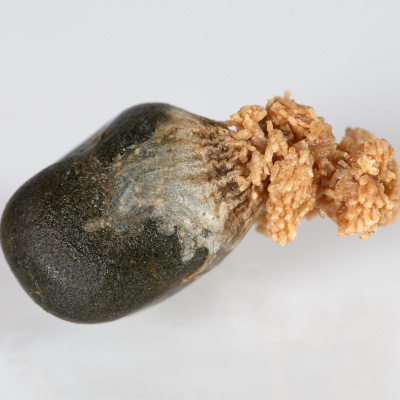
This species is closely related to Gersemia rubiformis, belonging to the same taxonomic group. Gersemia fruticosa has a more branched, tree-like appearance and lacks the reddish colouration of G. rubiformis. In 2013, a team of scientists found a new species of copepod (Doridicola indistinctus) while studying this coral, highlighting the importance of deep-sea corals to their species that live around them.
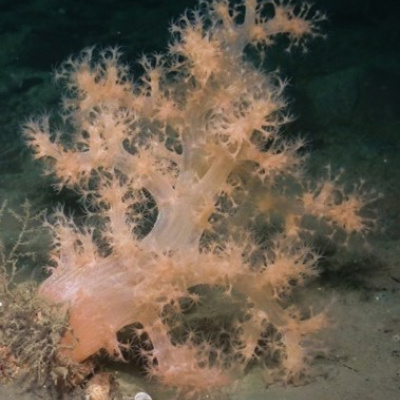
-
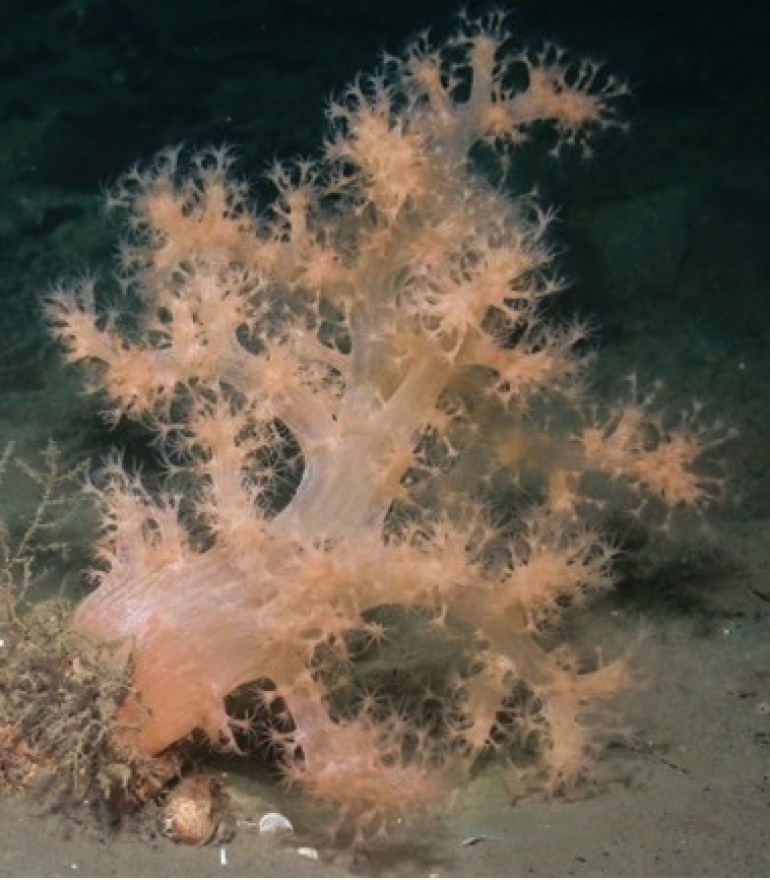
A colony of living Gersemia fruticosa found in the coastal waters of Norway. Image by Vsevolod Rudyi, CC BY 4.0 -
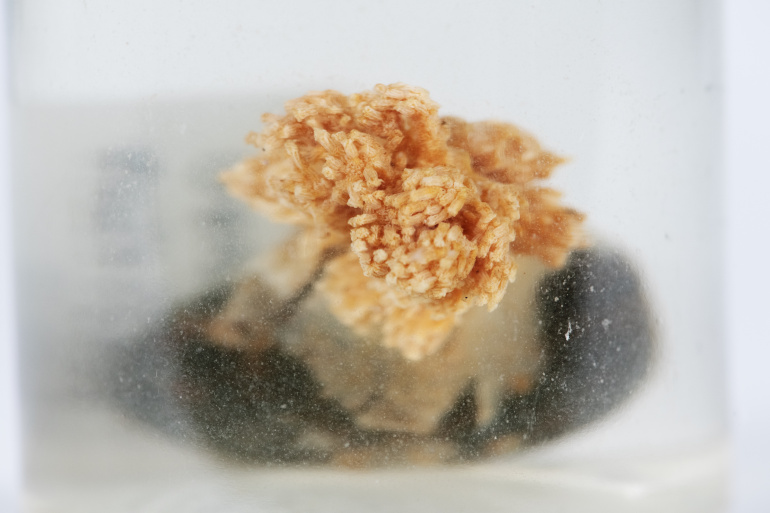
An individual colony of preserved Gersemia fruticose from the collection of the Nova Scotia Museum. Nova Scotia Museum -
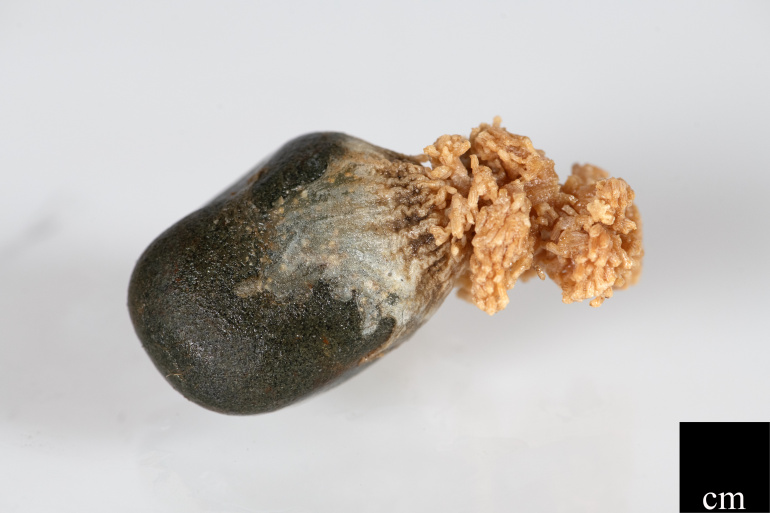
An individual colony of preserved Gersemia fruticosa, from the collection of the Nova Scotia Museum highlighting attachment point on small rock Nova Scotia Museum


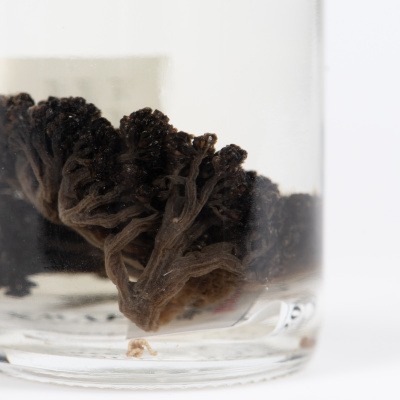
Duva florida
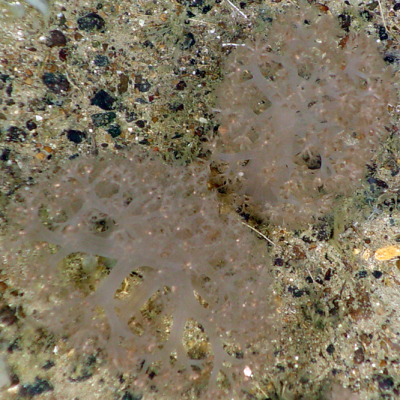
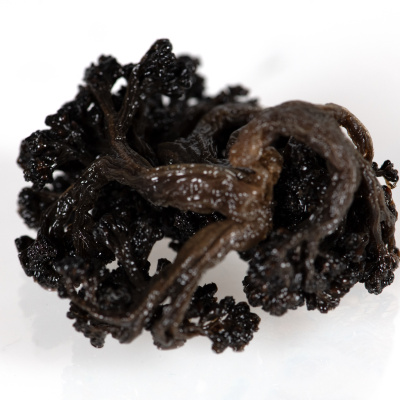
While D. florida is naturally pale in colour, it tends to darken when preserved in ethanol. For this reason, many of the specimens in the Nova Scotia Museum’s Natural History Collection now look rather different than they would have while alive. D. florida is one of many deep-sea organisms being investigated by the pharmaceutical industry for compounds that have potential to be medically useful.


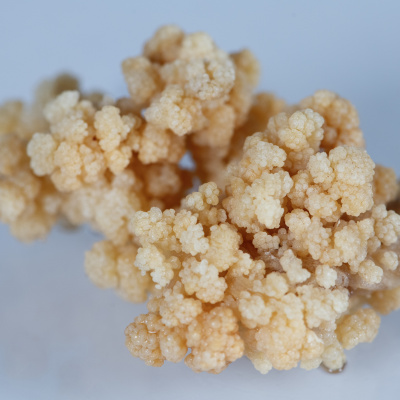
Drifa glomerata
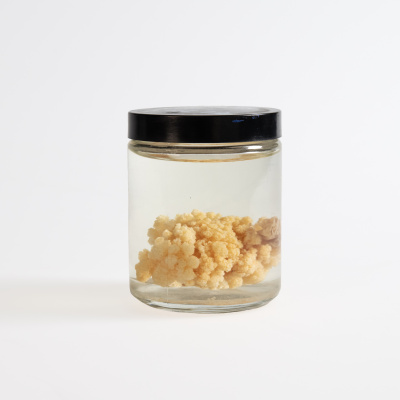
The reproduction of most deep-sea corals is poorly understood, as they are very hard to care for in captivity. Drifa glomerata is one of the only species that has been successfully grown in a laboratory setting. There, scientists found that the juvenile corals can crawl short distances along the ocean floor before settling in one place for the rest of their lives.


Corals in ocean habitats – important for diversity
Soft corals can have important impacts on ocean ecology. This is because when they grow, they provide habitat and support for a wide range of other species, forming the base of a rich and complex ecosystem. Because of this, deep sea corals are known as foundation species or ecosystem engineers.
There are several ways that corals support can support other organisms; the 3D structure created by corals can be used as protection by other animals that might otherwise be vulnerable to predation. Some animals make their home on or in corals themselves, while others use corals as a cafeteria, climbing coral branches to reach new heights because they make it easier to filter the water for food.
The soft coral collection at the Nova Scotia Museum also includes several organisms that were found in association with the corals themselves. Here are some coral-associated species that are part of our collection:
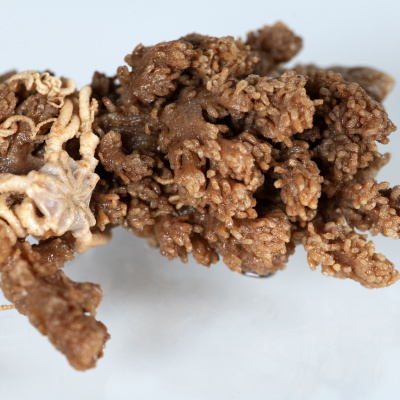
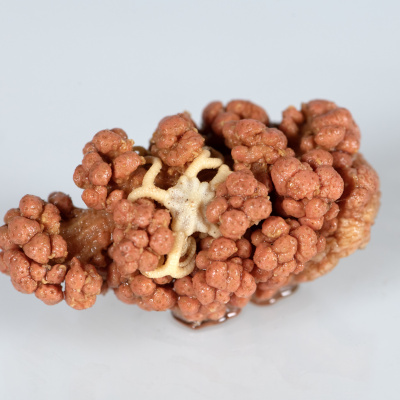
Brittle stars
These animals might look familiar, as they’re close relatives of sea stars. Unlike sea stars, their arms are thin and whip-like, allowing them to cling tightly to substrate underwater. They are often found intertwined with corals, where they shelter for protection.


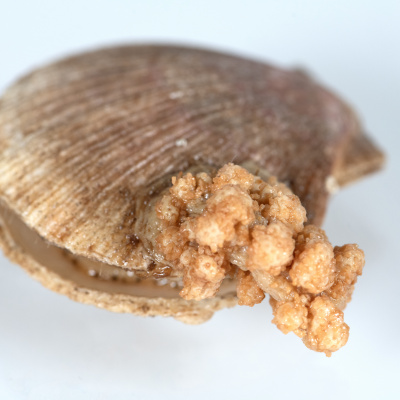
Bivalves
While coral larvae are mobile, they require a hard substrate to attach to as they grow into adults. In some cases, the hard shells of bivalves can provide that foundation. This relationship isn’t only one way; many hole-boring bivalves make their home in the skeletons of hard corals, especially in tropical coral reefs.


Shrimp
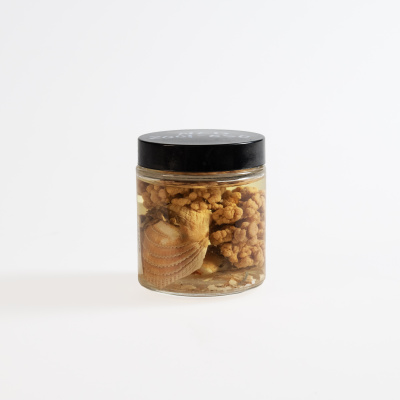
Clouds of small shrimp live in the deep, cold ocean, some migrating upwards at night to feed in shallower water before returning to the depths at dawn. Research has shown that these shrimp are often found in higher numbers in areas containing soft corals. When this specimen was collected, a number of shrimp were also sampled.

The tiny dark spots in this jar of preserved Drifa glomerata are the eyespots of deep-sea shrimp, which were collected in association with the coral.
Sponges
Adult sponges spend their lives firmly attached to hard substrate and are unable to move. However, this is not the case for their whole lifespan, with sponge larvae being mobile and held in the water column. Given their shared requirement for hard substrate, sponges and corals can be associated with one another and sometimes share habitat very closely.

Photo Caption
This colony of Duva florida (dark mass on center of rock) is growing on the same stone as several sponges (Polymastia sp.).
Cold-water corals today
Even though the deep-sea accounts for approximately three quarters of the area covered by the ocean, we still know relatively little about this environment. Over the last 100 years, technology has allowed unprecedented access to these extreme environments and created the opportunity for research of these ecosystems to begin in earnest. As a result, we are continuing to learn about our benthic environments and our knowledge about deep sea corals is growing!
Unfortunately, deep sea corals are at-risk. Ocean warming and acidification are major threats and are predicted to dramatically reduce their available habitat. These processes are expected to globally alter the chemistry of seawater, resulting in an environment without enough calcium for corals to grow. Fisheries that disturb the ocean floor, such as bottom trawling, can uproot and damage corals and pose a significant threat to corals and their habitats.
Research is underway at several Maritime institutions to learn more about the coral ecosystems that are found in our area. Coral habitat is also being protected, both internationally and in Canada. For example, the Department of Fisheries and Oceans (DFO) has established several Marine Protected Areas and Coral Conservation Areas, areas which protect corals and their important habitats. This includes The Gully, which represents Atlantic Canada’s first-ever Marine Protected Area.
Additional resources
- Coral and Sponge Conservation Strategy for Eastern Canada (PDF) - https://waves-vagues.dfo-mpo.gc.ca/library-bibliotheque/363832.pdf
- Oasis of the deep: Cold-water corals of Canada (Video) - https://science.gc.ca/site/science/en/educational-resources/marine-and-freshwater-sciences/oasis-deep
- The Gully Marine Protected Area
- Deep Connections 2019: Exploring Atlantic Canyons and Seamounts of the United States and Canada (explore NOAA’s past expeditions in the Atlantic Region (check out the ‘dive summaries’ section to find detailed information about each location) - https://oceanexplorer.noaa.gov/expedition/ex1905/